

Wearables can track workouts, sleep and heart rate while keeping you connected throughout the day. Here is how smartwatches and fitness trackers differ and which features matter most for your goals.
Smartwatch or Fitness Tracker?
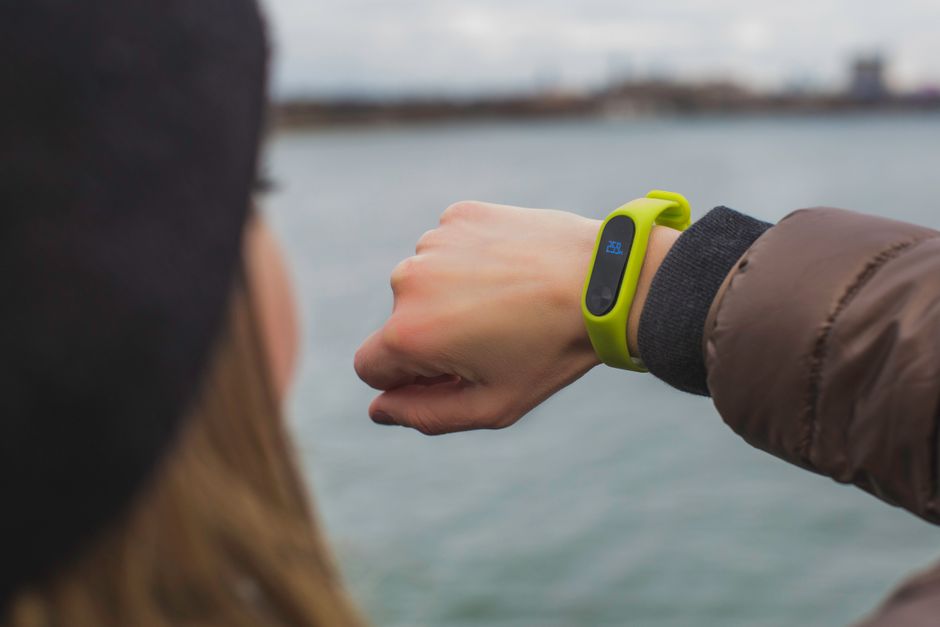
Fitness trackers focus on health and activity. They are typically slim bands that count steps, monitor heart rate and track sleep, with simple displays and limited smart features designed to keep things lightweight.
Smartwatches combine fitness tracking with smartphone features. They display notifications, run apps, support contactless payments, answer calls and offer larger, brighter screens that make interacting with them easy.
The trade-off often comes down to battery life. Fitness trackers can last a week or more on a charge, while many full-featured smartwatches need charging every day or two, depending on settings and usage.
Price is another difference. Basic fitness trackers are generally affordable, while premium smartwatches cost considerably more, especially models with advanced sensors, cellular connectivity or rugged designs.
Your phone matters too. Some smartwatches work only with specific phone platforms, while many fitness trackers are compatible with both major operating systems, so check compatibility before buying.
Consider whether you will actually use the extra features. A smartwatch full of apps you never open offers little advantage over a simpler tracker, while a tracker that lacks the notifications you want can feel frustrating every single day.
Health and Fitness Features
Nearly all wearables track steps, distance and calories burned. These basics help many people become more aware of their daily activity and encourage small changes, such as walking more during the workday.
Heart rate monitoring is standard on most modern devices. Continuous tracking can reveal resting heart rate trends over time, while workout tracking helps you train within specific intensity zones.
Built-in GPS lets you track runs, walks and bike rides without carrying your phone. If you exercise outdoors often, this feature provides accurate distance and pace data and makes it easier to leave the phone behind.
Sleep tracking estimates how long and how well you sleep, often breaking the night into sleep stages. The data is an estimate, but trends over weeks can help you understand how habits affect your rest.
Some wearables offer additional sensors, such as blood oxygen readings, skin temperature trends and electrocardiogram features. These can provide useful insights, though they are not substitutes for medical devices or professional care.
Remember that wearable health data is designed for general wellness and trends. If a reading concerns you, discuss it with a healthcare professional rather than relying on the device alone for a diagnosis.
Smart Features and Everyday Convenience
Notifications are a major reason people choose smartwatches. Glancing at your wrist to see a message or calendar alert can be more convenient than pulling out your phone, especially during meetings or workouts.
Contactless payments let you pay at checkout with a tap of your wrist. This is useful during runs or errands when you prefer not to carry a wallet, and payment information is protected by your device passcode.
Many smartwatches support voice assistants, music controls and offline music storage. Paired with wireless earbuds, you can listen to music or podcasts during exercise without bringing your phone.
Cellular models can make calls and send messages without your phone nearby. This feature adds cost and often requires a monthly carrier fee, so it makes sense mainly for people who regularly leave their phones behind.
Safety features are increasingly common. Fall detection, emergency calling and location sharing can provide peace of mind for older adults, solo runners and hikers who exercise in remote areas.
Comfort, Design and Battery Life
You will wear the device for many hours a day, so comfort matters. Consider size, weight and band material, and choose a model that fits your wrist comfortably during sleep, exercise and work.
Display type affects visibility and battery life. Bright OLED screens look vibrant but consume more power, while some fitness-focused watches use transflective displays that remain readable in sunlight and last much longer.
Water resistance is important for swimmers and anyone who wants to wear the device in the shower. Check the rating carefully, since not every wearable is designed for swimming or water sports.
Interchangeable bands let you change the look for different occasions. A sport band works well for workouts, while leather or metal bands can make a smartwatch look more appropriate for work or formal events.
Battery life should match your habits. If you want sleep tracking, a device that lasts several days or charges quickly in the morning makes it easier to wear around the clock without missing data.
Choosing the Right Wearable for You
Start with your main goal. If you want simple activity and sleep tracking with long battery life, a fitness tracker is likely enough, while those wanting apps, payments and notifications will prefer a smartwatch.
Consider the companion app carefully. The app is where you review your data, set goals and adjust settings, and a clear, well-designed app makes the device far more useful over time.
Be aware of subscription costs. Some brands place advanced insights, guided workouts or detailed health reports behind a monthly fee, so factor these into the total cost of ownership.
Think about privacy as well. Wearables collect sensitive health information, so review what data is shared, how it is stored and whether you can control or delete it from your account.
The right wearable is one you will actually wear every day. Choosing a comfortable device with features that match your goals turns it into a helpful companion rather than another gadget left in a drawer.