
E-readers and tablets can both carry an entire library, yet they offer very different reading experiences. Here is how they compare on screens, comfort, battery life and value for book lovers.
Two Very Different Screens
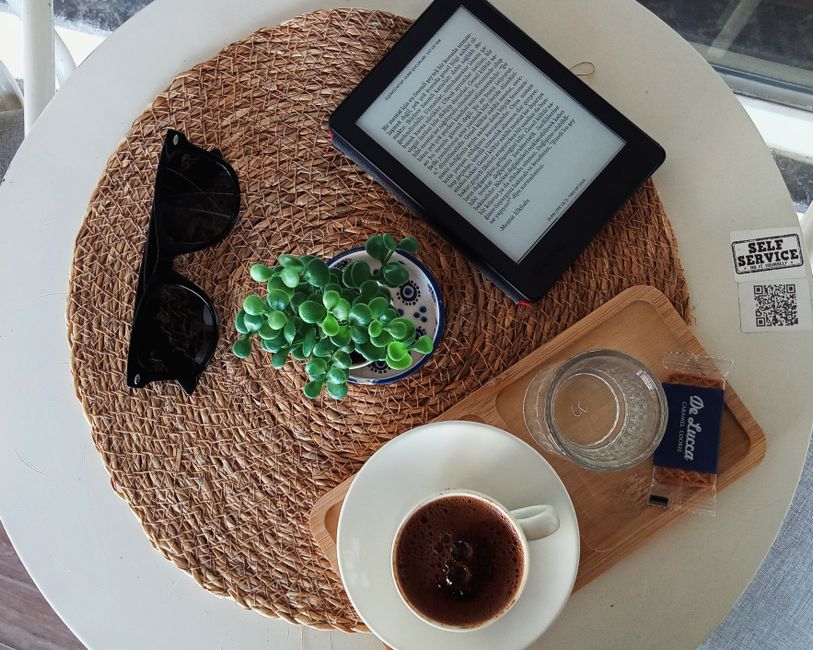
The biggest difference lies in the display. Most dedicated e-readers use electronic paper, often called E Ink, which reflects ambient light like a printed page instead of shining light directly toward your eyes.
Tablets use LCD or OLED screens that emit light. These displays are bright, colorful and fast, which makes them excellent for video, games, comics and web browsing, but they behave very differently from paper during long reading sessions.
Electronic paper only uses power when the page changes. Once a page is displayed, it stays there without drawing energy, which is the main reason e-readers can last for weeks on a single charge.
E Ink screens are also much easier to read in direct sunlight. While tablet screens can wash out at the beach or by a sunny window, electronic paper actually becomes clearer in bright light, just like a printed book.
The trade-offs are speed and color. Page turns on e-readers are slightly slower, and most models display only black and white, although some newer devices offer muted color screens suited to book covers and simple illustrations.
Understanding these screen differences makes the choice much clearer. The best device for you depends mostly on whether reading is your main activity or just one of many things you want a device to do.
Eye Comfort and Reading Experience
Many readers find electronic paper more comfortable for hours of reading. The matte, paper-like surface reduces glare, and the absence of a bright backlight shining at your eyes can make long sessions feel less tiring.
Most modern e-readers include a front light for reading in the dark. This light illuminates the surface of the screen rather than shining through it, and many models offer adjustable warm tones for nighttime reading.
Tablets offer night modes and adjustable brightness as well. These features help, but reading on a glowing screen late at night may still feel more stimulating than reading on a front-lit e-reader for some people.
Distraction is another factor. E-readers are designed almost entirely for reading, while tablets bring notifications, email, social media and streaming apps just a tap away, which can make focused reading harder.
Weight matters during long sessions. Most e-readers are lighter than tablets and easy to hold in one hand, which makes reading in bed, on a commute or while traveling noticeably more comfortable.
Battery Life, Durability and Portability
Battery life is a clear win for e-readers. Depending on use, many can last several weeks between charges, while tablets typically need charging every day or two with regular use.
Many e-readers are water resistant, which makes them practical for reading in the bath, by the pool or at the beach. Some tablets offer water resistance too, but it is less common in budget models.
E-readers are often smaller and fit easily in a jacket pocket or small bag. Tablets are larger and heavier, though their bigger screens are useful for magazines, textbooks and illustrated content.
Durability depends on the model and how you protect it. A simple case helps both types survive drops and scratches, and inexpensive covers can also add a sleep and wake feature that saves battery.
For travel, an e-reader can hold thousands of books while barely affecting the weight of your luggage. Combined with long battery life, it is one of the most travel-friendly gadgets you can own.
Content, Apps and Formats
E-readers are usually connected to a specific bookstore, which shapes where you buy books. Some models support a wider range of file formats or allow sideloading of books purchased elsewhere, so check compatibility before buying.
Many public libraries lend ebooks for free through digital lending services. Check which devices your library supports, since borrowing ebooks can dramatically reduce the cost of reading regularly.
Tablets can run apps from multiple bookstores, library services, comic platforms and magazine subscriptions. This flexibility makes them appealing if you read from several sources or enjoy visual content.
Audiobooks are another consideration. Some e-readers support audiobooks through Bluetooth headphones, while tablets handle audiobooks, podcasts and every major audio app with ease.
Textbooks, cookbooks, graphic novels and PDFs with complex layouts generally look better on a tablet. The larger, color screen and faster performance make zooming and navigating these documents much easier.
If you mostly read novels, nonfiction and long articles, an e-reader handles nearly everything you need. If your reading mixes in visual or highly formatted content, a tablet becomes much more attractive.
Which One Should You Choose?
Choose an e-reader if reading books is your main goal. It offers better eye comfort for long sessions, fewer distractions, excellent outdoor readability and battery life measured in weeks rather than hours.
Choose a tablet if you want one device for reading, video, browsing, games and work. A tablet does many things well, and reading is just one of them, which can be the better value if you will use the other features.
Price often favors e-readers. Entry-level models are relatively affordable, while capable tablets usually cost more, although budget tablets and frequent sales can narrow the gap considerably.
Many avid readers eventually own both. They use the e-reader for books and the tablet for everything else, enjoying the strengths of each without forcing one device to do every job.
Whichever you pick, the best device is the one that helps you read more. If an e-reader means fewer distractions and more finished books, it may become one of the most satisfying tech purchases you make.