

Refurbished phones, laptops and tablets can cost far less than new ones while working just as well. Here is how to understand grades, pick trustworthy sellers and avoid the most common pitfalls.
What Refurbished Really Means
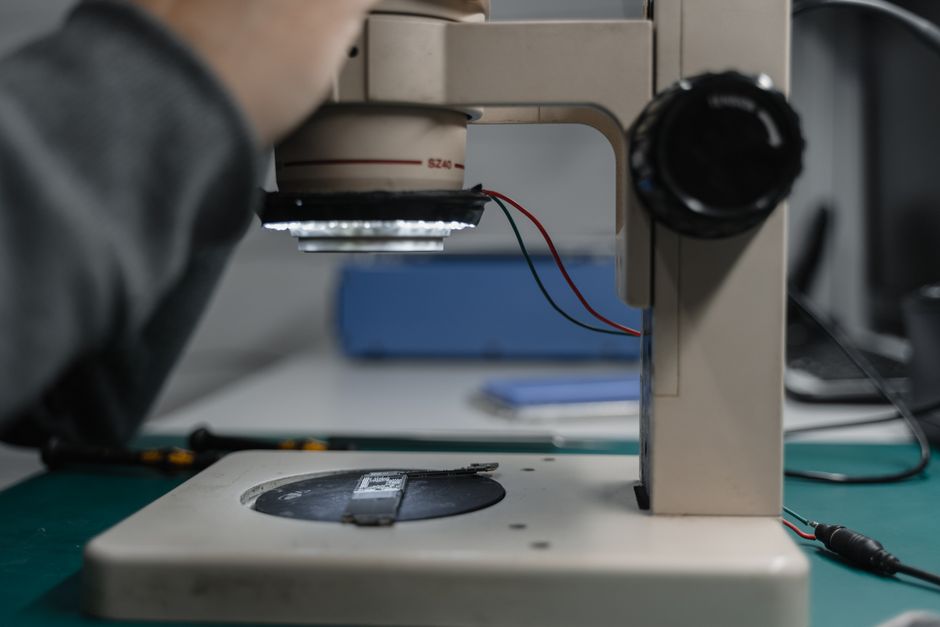
A refurbished device has been returned, repaired or previously used, then inspected and restored to working condition before being sold again. Some were returned unopened, while others saw months or years of use before refurbishment.
The term is not tightly regulated, so quality varies widely by seller. A certified refurbished device from the manufacturer has usually been thoroughly tested and may include new parts, while a marketplace listing labeled refurbished may have received only a quick check.
Refurbished differs from simply used. A used device is sold as is by its previous owner, while a refurbished one should have been tested, cleaned, repaired if necessary and reset to factory settings by a professional.
Open-box items are another category. These are typically products returned shortly after purchase, often in like-new condition, and they can offer excellent savings with very little wear, especially at major electronics retailers.
Understanding these categories helps you compare listings fairly. The cheapest price is not always the best deal if it comes with no testing, no warranty and no easy way to return a device that develops problems.
Why Refurbished Can Be a Smart Buy
The most obvious benefit is price. Refurbished devices commonly sell for a substantial discount compared with new models, and the savings are often largest on premium phones and laptops that hold strong performance for years.
Performance differences are often minor. A flagship phone from one or two generations ago may outperform a brand-new budget model, giving you better cameras, displays and build quality for a similar or lower price.
Buying refurbished also reduces electronic waste. Extending the life of a device keeps it out of landfills and reduces the demand for new manufacturing, which uses significant energy and raw materials.
Manufacturer refurbished programs often include the same accessories and warranty length as new products. In some cases, the only noticeable difference is the packaging, which can make these programs one of the best values in consumer tech.
For students, families buying devices for children and anyone who needs a secondary laptop or tablet, refurbished options can stretch a limited budget much further without sacrificing reliability.
Choosing a Trustworthy Seller
Manufacturer certified refurbished stores are generally the safest option. They test devices to their own standards, replace worn components when needed and typically back them with a warranty similar to a new product.
Major retailers and carriers also run refurbished programs with defined grading and return policies. These can be a solid middle ground, offering lower prices than manufacturer programs with reasonable protection.
Specialized refurbishing marketplaces connect buyers with independent refurbishers. Many offer their own warranty and return window, but quality depends on the individual seller, so read ratings and reviews carefully before you buy.
Be cautious with listings from private sellers that use the word refurbished without details. Ask who performed the work, what was replaced and whether any warranty applies, and walk away if the answers are vague.
Whatever the source, prioritize a return window of at least two weeks and a warranty of at least ninety days. A longer warranty, such as a full year, is a strong signal that the seller stands behind the quality.
Understanding Condition Grades
Many sellers grade refurbished devices by cosmetic condition, using labels such as excellent, good and fair, or letters like A, B and C. These grades usually describe appearance rather than how well the device functions.
An excellent or grade A device should show little or no visible wear. A good or grade B device may have light scratches or small marks, while a fair or grade C device may show obvious scuffs, dents or screen marks.
Lower grades can be a great value if you plan to use a case or do not mind minor blemishes. Functionally, a fair device from a reputable seller should work just as well as an excellent one from the same source.
Read the grading definitions for each seller, since there is no universal standard. One store may consider a faint screen scratch acceptable for its top grade, while another reserves that grade for devices that look essentially new.
Photos of the actual unit, when available, are helpful. Stock images show what the product looks like in general, but pictures of the specific device give you a better sense of what will arrive.
Checks to Make Before and After You Buy
For phones, check battery health if the seller lists it, since a worn battery is the most common weakness. Some programs guarantee a minimum battery capacity or replace batteries below a certain threshold.
Confirm the phone is unlocked or compatible with your carrier, and make sure it is not reported lost or stolen. Reputable sellers verify this, but it is worth confirming that the device can be activated on your network.
When the device arrives, make sure it is fully reset and not linked to a previous owner account. Activation locks tied to another person can make a phone or tablet unusable, so this check should happen right away.
Test everything within the return window, including cameras, speakers, microphones, buttons, charging ports, Wi-Fi, Bluetooth and every key on a laptop keyboard. Problems found early are easy to resolve through the seller.
With a reputable seller, a solid warranty and a quick inspection, buying refurbished is a low-risk way to get premium technology for less. It is one of the simplest ways to save money on electronics without settling for less.