

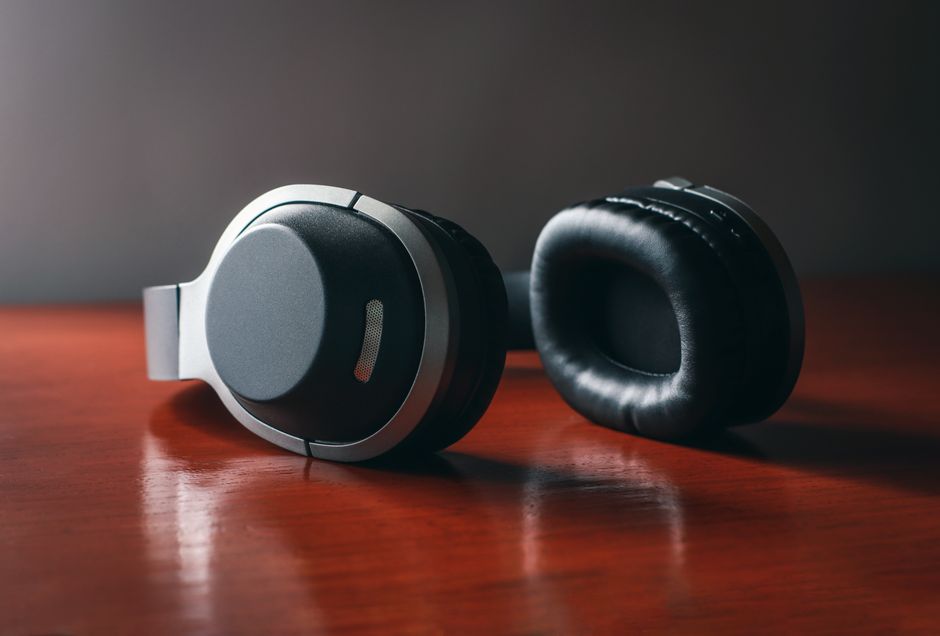
Noise-cancelling headphones can make commutes, flights and open offices far more pleasant. Here is what actually separates good models from great ones, so you can choose the right pair for your routine.
How Active Noise Cancelling Works
Active noise cancelling, often shortened to ANC, uses small microphones to listen to the sound around you. The headphones then generate an opposite sound wave that cancels much of the incoming noise before it reaches your ears, creating a noticeably quieter space.
ANC works best on steady, low-frequency sounds such as airplane engines, train rumble, air conditioners and traffic hum. These predictable noises are easier for the electronics to measure and cancel than sudden, sharp sounds like voices or clattering dishes.
Passive isolation also plays a major role. The physical seal created by ear cushions or ear tips blocks higher-frequency sounds, so a good fit is just as important as the electronics when it comes to overall quiet.
Most models offer a transparency or ambient mode as well. This feature uses the same microphones to let outside sound in, so you can hear announcements, talk to someone briefly or stay aware of traffic without removing your headphones.
The quality of noise cancelling varies widely between models and price points. Reading independent reviews that measure or compare cancellation performance gives a much clearer picture than relying on marketing claims alone.
Over-Ear Headphones or Earbuds?
Over-ear headphones surround your ears with cushioned cups. They usually provide the strongest noise cancelling, the longest battery life and a fuller sound, which makes them a favorite for long flights and extended work sessions.
Their downsides are size and warmth. Over-ear models take up more space in a bag, and some people find them hot or heavy after several hours, especially in warm weather or during exercise.
Wireless earbuds are compact and convenient. They fit in a pocket, work well for workouts and commuting, and many now offer impressive noise cancelling for their size, though usually a step behind the best over-ear models.
Earbud fit varies from person to person. Most come with several sizes of ear tips, and choosing the right size is essential for comfort, sound quality and effective noise cancelling, so take time to test each option.
Many people end up owning both types. Over-ear headphones handle travel and focused work, while earbuds cover the gym, errands and quick calls, and each style excels in situations where the other struggles.
Comfort and Sound Quality
Comfort matters more than almost any specification. A pair that sounds amazing but pinches after an hour will spend most of its life in a drawer, so look for reviews that mention long-term comfort and clamping force.
Consider weight, cushion materials and headband padding for over-ear models. Softer memory foam cushions and lighter designs tend to stay comfortable longer, especially for people who wear glasses.
Sound quality is personal, but some features help. Many headphones include an equalizer in their companion app, letting you adjust bass, mids and treble to suit your taste instead of living with the default tuning.
Bluetooth codecs affect wireless audio quality to a degree. Some phones and headphones support higher-quality codecs, but for most listeners, fit, tuning and noise cancelling matter far more than the codec itself.
If possible, try headphones in a store or buy from a retailer with an easy return policy. Hearing them yourself with your own music is the most reliable way to know whether you will enjoy them for years.
Battery Life, Calls and Extra Features
Battery life ranges widely. Many over-ear models last twenty to thirty hours or more with noise cancelling on, while earbuds usually last several hours per charge with additional charges stored in the case.
Quick charging is a practical feature. Some headphones provide several hours of listening from just a few minutes of charging, which is helpful when you realize the battery is low right before leaving home.
Call quality depends on microphones and processing. If you take frequent calls or meetings, look for reviews that test how clearly your voice comes through in noisy environments, not just how calls sound to you.
Multipoint connection lets headphones stay connected to two devices at once, such as a laptop and a phone. This makes it easy to switch from a video meeting to a phone call without reconnecting manually.
Other useful features include wear detection that pauses audio when you remove the headphones, touch or button controls, water resistance for earbuds and the ability to replace ear cushions or tips as they wear out.
Getting the Best Value
Decide where you will use your headphones most. Frequent flyers benefit from top-tier noise cancelling and long battery life, while someone who mainly listens at a desk may be happier with a midrange pair and better comfort.
Previous-generation models are often excellent values. When a new version launches, older flagship headphones are frequently discounted significantly while still offering strong noise cancelling and sound quality.
Major sales events often include deep discounts on popular headphones. Using a price tracking tool helps you recognize when a sale price is genuinely lower than normal rather than a routine markdown.
Consider the ecosystem you use. Some headphones offer extra conveniences, such as faster pairing or automatic device switching, when paired with phones and computers from the same company.
The right pair of noise-cancelling headphones can make daily life calmer and more focused. Prioritizing fit, comfort and the features you will actually use ensures your purchase delivers value for years to come.